

If you’re craving a rich, creamy pasta sauce that’s both simple and indulgent, learning how to make Alfredo sauce from scratch is a game-changer.
This classic Italian-American favorite turns everyday ingredients into something luxurious, perfect for weeknight dinners or special occasions.
In this post, we’ll walk through everything you need to know to whip up your own batch, from the basics to troubleshooting tips.
This guide will help you create a sauce that’s silky, flavorful, and far better alfredo sauce than anything from a jar.
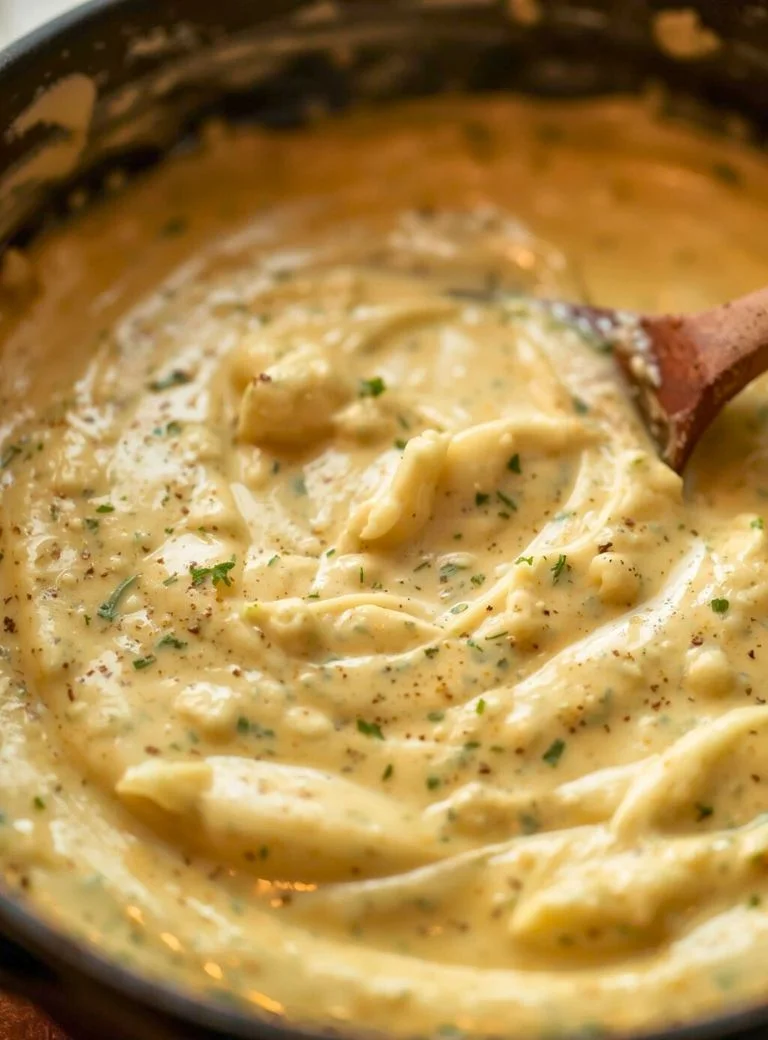
Why You’ll Love this Alfredo Sauce?
Homemade Alfredo sauce is all about that perfect balance of creaminess and cheesiness, without being overly heavy or complicated.
You can have it ready in under 15 minutes with just a handful of pantry staples. It’s versatile enough to pair with pasta, veggies, or proteins, and you can tweak it to suit your taste, like adding herbs or spices for a twist.
Store-bought versions often come loaded with preservatives or artificial flavors, but making it yourself means fresh, quality components.
It’s comfort food at its finest, warm and satisfying on a chilly evening or as a quick treat after a long day.
Ingredients
To make a basic Alfredo sauce that serves about 4 people (enough for 1 pound of pasta), you’ll need:
- 1/2 cup unsalted butter (that’s one stick, use good quality for the best flavor)
- 2 cloves garlic, minced (fresh is best, but garlic powder works in a pinch, about 1/2 teaspoon)
- 1 1/2 cups freshly grated Parmesan cheese (avoid pre-grated if possible; it melts smoother)
- Salt and black pepper to taste (start with 1/4 teaspoon each and adjust)
- 1 1/2 cups heavy cream
- Optional add-ins: A pinch of nutmeg for warmth, fresh parsley for garnish, or red pepper flakes for a subtle kick
How to Make Alfredo Sauce?
Making Alfredo sauce is easier than you might think, it’s a quick simmer on the stove. Here’s a step-by-step guide to get it right every time.
Step 1: Preparation
Start by mincing the garlic and grating the Parmesan. Have everything measured out, this sauce comes together fast, so mise en place (that’s French for “put in place”) is key.
Step 2: Building the Base

In a large skillet or saucepan over medium heat, add the butter.
Let it melt completely, but don’t let it brown. Swirl the pan to coat the bottom evenly.
Toss in the minced garlic and cook for about 1 minute, stirring constantly. You want it fragrant but not burnt—garlic can turn bitter if overdone.
This step infuses the butter with flavor, setting the base for the sauce.
Pour in the heavy cream and stir to combine. Increase the heat slightly to bring it to a gentle simmer.
Let it bubble softly for 2-3 minutes, stirring occasionally. This thickens the cream a bit without boiling vigorously, which could cause it to separate.
Step 3: Finishing the Sauce
Reduce the heat to low and gradually add the grated Parmesan, a handful at a time.
Whisk continuously until the cheese melts fully into the sauce. It should become smooth and velvety.
If it looks too thick, add a splash of pasta water (if you’re serving with pasta) to loosen it up.
Taste and season with salt, pepper, and any optional add-ins like nutmeg. Give it a final stir, then remove from heat. The sauce will thicken as it cools, so serve it immediately for the best texture.

Common Alfredo Sauce Mistakes
- First, using low-fat alternatives: Skimping on the heavy cream or butter can result in a watery or split sauce. Stick to full-fat for that luxurious mouthfeel.
- Overheating is another big one. If the sauce boils too hard, the cream can curdle, leaving you with lumps. Keep it at a simmer and stir often.
- Adding cheese too quickly or on high heat causes it to seize up instead of melting smoothly. Patience is your friend here—low and slow.
- Pre-shredded cheese often has additives that prevent proper melting, leading to a grainy texture. Freshly grated is worth the extra minute.
- Forgetting to reserve pasta water if pairing with noodles, it’s starchy and helps bind the sauce to the pasta.
- Lastly, overseasoning early: Cheese is salty, so taste as you go.
Ways to Use Alfredo Sauce:
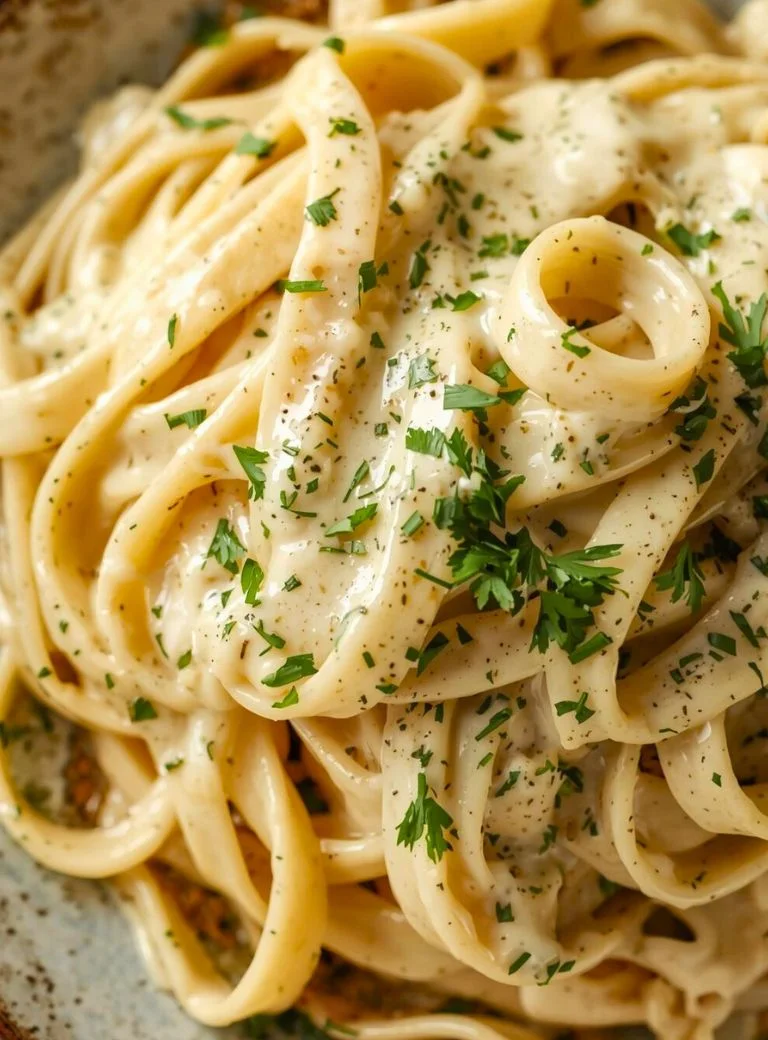
- Classic Pasta Dishes: Toss with fettuccine, linguine, or penne; add chicken, shrimp, or mushrooms for a hearty meal.
- Veggie Sides: Drizzle over steamed broccoli, asparagus, or zucchini for a creamy, nutritious boost.
- Baked Casseroles: Mix with rice, veggies, and protein, then bake until golden and bubbly.
- White Pizza Base: Spread on dough, top with spinach, artichokes, and cheese for a flavorful twist.
- Protein Pairings: Stuff into chicken breasts with greens or pour over baked salmon, I tried it once and it elevated a simple dinner to gourmet status.
- Dips and More: Use for dipping breadsticks or thinning into soups with broth and extras; its versatility keeps meals exciting.
Can I Use Milk Instead of Heavy Cream for Alfredo Sauce?
Yes, you can substitute milk for heavy cream in Alfredo sauce, but expect some adjustments for texture and richness.
Heavy cream’s high fat content creates that signature thickness, so milk (whole is best) will make a lighter, thinner sauce. To compensate, you’ll need a thickener like a roux or cornstarch slurry.
Here’s how:
Start by making a simple roux—melt the butter, stir in 1-2 tablespoons of flour, and cook for a minute before adding garlic. Then pour in 1 1/2 cups of milk instead of cream, whisking to avoid lumps.
Simmer until it thickens, then add cheese. It won’t be as decadent, but it’s a solid lighter option.
I tried this once when I ran out of cream mid-recipe; added a bit of extra butter and it worked out fine, though not quite as indulgent. If you’re watching calories, this swap cuts them significantly while keeping the flavor profile intact. Just don’t use skim milk—it might not hold up well.
For dairy-free alternatives, coconut milk or cashew cream can work, but they’ll alter the taste slightly. Experiment to find your preference.
Conclusion
Homemade Alfredo sauce opens up a world of creamy, comforting meals that are quick and customizable.
From the basic recipe to creative uses and fixes for common issues, you’ve got the tools to make it your own.
Remember, cooking is about enjoyment, don’t stress the small stuff; each batch teaches you something new. Next time you’re in the kitchen, give this a go and savor the results.
Homemade Alfredo Sauce
Ingredients
Equipment
Method
- Mince the garlic and grate the Parmesan cheese; measure out all ingredients for quick assembly.
- In a large skillet over medium heat, melt the butter completely without browning it.
- Add the minced garlic and sauté for 1 minute, stirring constantly to avoid burning.
- Pour in the heavy cream, stir to combine, and bring to a gentle simmer; cook for 2-3 minutes, stirring occasionally, until slightly thickened.
- Reduce heat to low and gradually whisk in the grated Parmesan a handful at a time until fully melted and smooth.
- Season with salt, pepper, and optional nutmeg; stir well and remove from heat. (If too thick, add a splash of pasta water.)
- Serve immediately over pasta or as desired.
Notes
- For the smoothest sauce, always use freshly grated cheese—pre-shredded varieties can make it grainy due to additives.
- This sauce thickens as it cools, so reheat gently with a bit of cream or milk if needed.
- Customize it: Stir in cooked proteins like chicken or shrimp at the end, or add veggies for a balanced dish. I once added lemon zest for a bright twist, and it paired wonderfully with seafood.
- Store leftovers in an airtight container in the fridge for up to 3 days; avoid freezing as it may separate.
About The Author


Love it I will be making thi again no more bottle sauce for me
<3 that's a win!