There is perhaps no more quintessential frosting in the American baking repertoire than American Buttercream.
It is the sweet, fluffy, and incredibly versatile finish that adorns everything from childhood birthday cakes to elegant wedding cupcakes.
Unlike its European counterparts—such as silky Swiss meringue or custard-based German buttercream—the American style relies on a simple yet effective combination of butter and sugar.
It is accessible, quick to make, and serves as a blank canvas for endless flavor possibilities.
What Makes This American Buttercream/Frosting the Best?
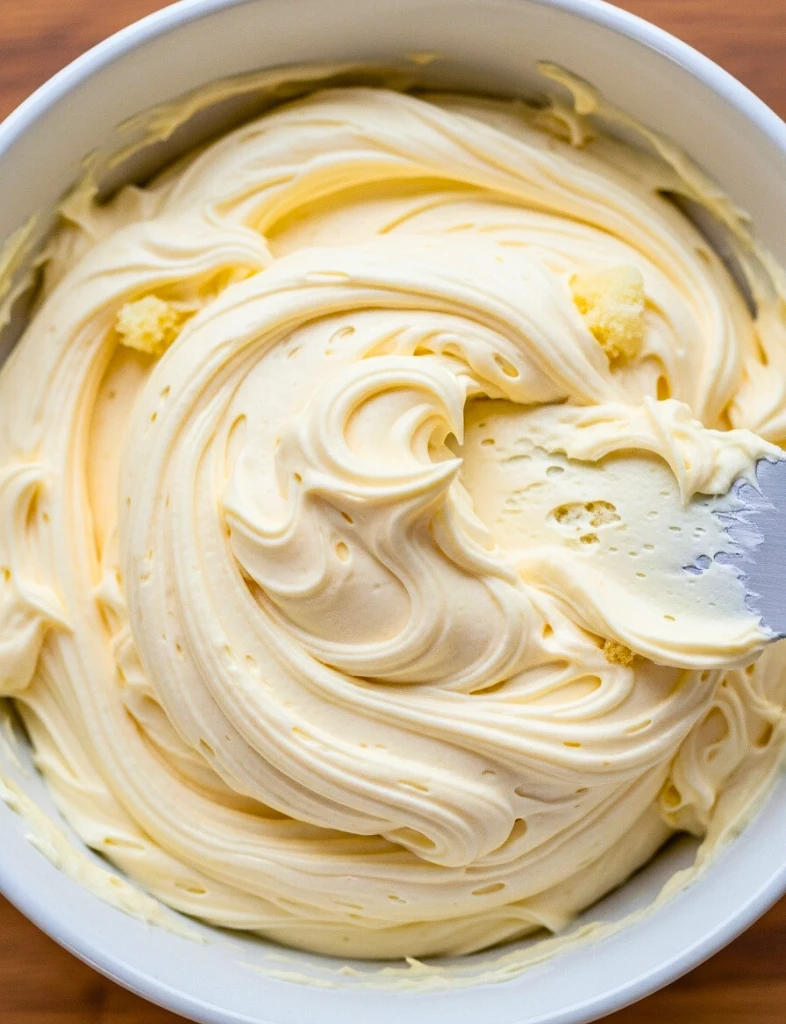
The secret to a truly superior American Buttercream isn’t just the ingredient list; it is the physics of how those ingredients are combined. Based on expert consensus and culinary science, several key factors distinguish an average batch from a spectacular one.
First and foremost is the temperature of the butter. Research into the “cream” method highlights that butter must be at the ideal temperature—typically between 65°F and 70°F—to trap air effectively.
If the butter is too cold, it cannot create air pockets, resulting in a dense, heavy frosting. If it is too warm, the emulsion breaks, leading to a soupy mess. The best recipes emphasize patience here, ensuring the butter is pliable but not greasy.
Secondly, the quality of the sugar is paramount. Because American Buttercream is essentially a suspension of sugar crystals in fat, the texture depends entirely on those crystals being microscopic.
The best guides stress the importance of sifting powdered sugar not just to remove lumps, but to aerate the sugar before it even hits the mixer. This prevents that dreaded “gritty” texture and ensures a mouthfeel that is as smooth as velvet.
Finally, the balance of salt and fat is what elevates the flavor profile. A common mistake is treating buttercream as just a sweet delivery system. However, a pinch of high-quality salt is scientifically proven to counteract the bitterness of the sugar and allow the butter’s natural flavor to shine.
Furthermore, using heavy cream instead of milk adds a higher fat content to the liquid component, resulting in a more stable, richer, and creamier emulsion that holds up better in warmer temperatures.
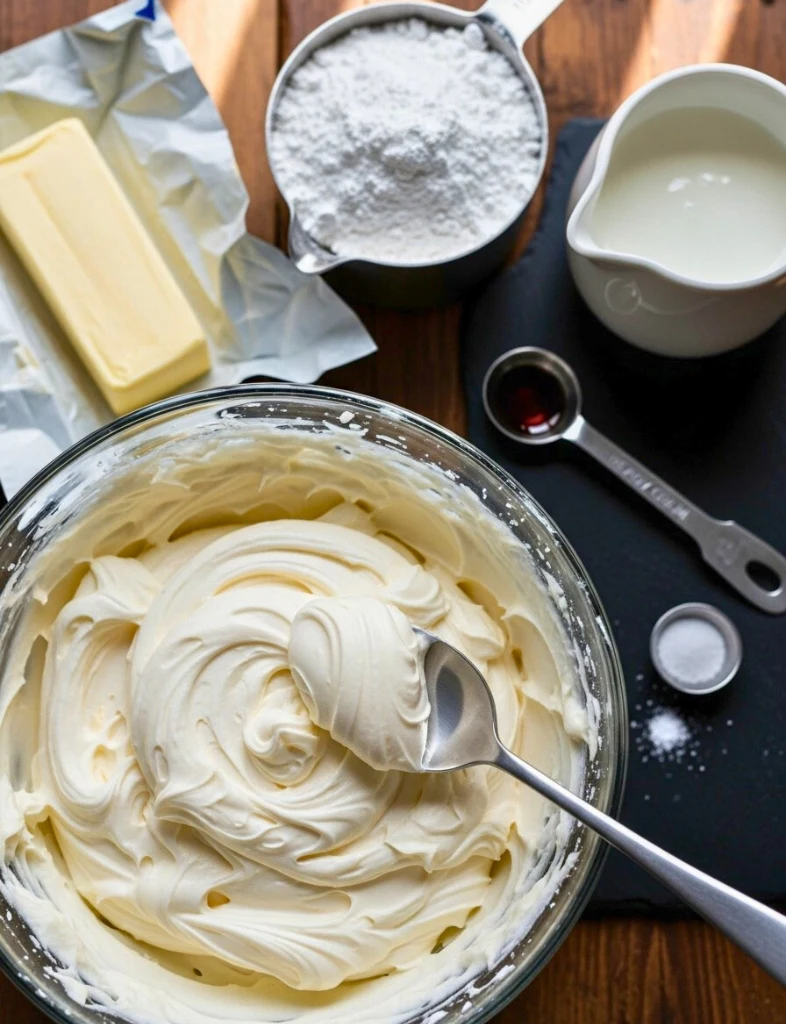
To create a batch of professional-quality American Buttercream that is stable, pipeable, and delicious, you will need:
Ingredients
- Unsalted Butter: 1 cup (2 sticks or 226g), softened to room temperature. Unsalted allows you to control the exact sodium level.
- Powdered Sugar: 4 cups (approx. 480g). Also known as confectioners’ sugar or 10x sugar.
- Heavy Cream (or Whole Milk): 2 to 4 tablespoons. Heavy cream provides a richer texture and better stability than milk.
- Vanilla Extract: 2 teaspoons of pure vanilla extract. Do not skimp here; artificial flavor can taste harsh in such a simple recipe.
- Salt: 1/4 teaspoon. Fine sea salt is best for dissolving evenly.
Quick Stats
| Metric | Amount |
|---|---|
| Time | 10–12 Minutes |
| Servings | Frosts one 2-layer 8-inch cake or 12–15 cupcakes |
| Calories | Approx. 150–170 kcal per 2 tablespoons |
Instructions
Step 1: The Prep Work
Before you even turn on the mixer, cut your softened butter into small, even cubes. This isn’t just a habit; smaller surface areas allow the butter to warm evenly and incorporate faster.
Ensure your powdered sugar is sifted into a separate bowl. I learned the hard way that skipping the sifting step leads to a frustrating ten minutes of picking lumps out of the mixer with a spoon.
Step 2: Cream the Butter
Place the butter cubes into the bowl of a stand mixer fitted with a paddle attachment (or a large bowl if using a hand mixer). Beat the butter on medium-high speed for about 3 to 5 minutes.
You want to whip air into the fat. Watch the color change; the butter should turn from a deep yellow to a pale, creamy white. This aeration is the foundation of a fluffy frosting. Scrape down the sides of the bowl to ensure no butter is stuck to the edges.
Step 3: Incorporate the Sugar
Turn the mixer down to its lowest setting. This is crucial. If you add sugar on high speed, you will create a sugar cloud that coats your entire kitchen.
Gradually add the sifted powdered sugar one cup at a time. Let each cup incorporate fully before adding the next. The mixture will look dry and crumbly, almost like wet sand. Don’t panic; this is exactly what it should look like before we add liquid.
Step 4: Add Flavor and Liquid
Add the salt and vanilla extract to the crumbly mixture. With the mixer on low, slowly drizzle in 2 tablespoons of heavy cream.
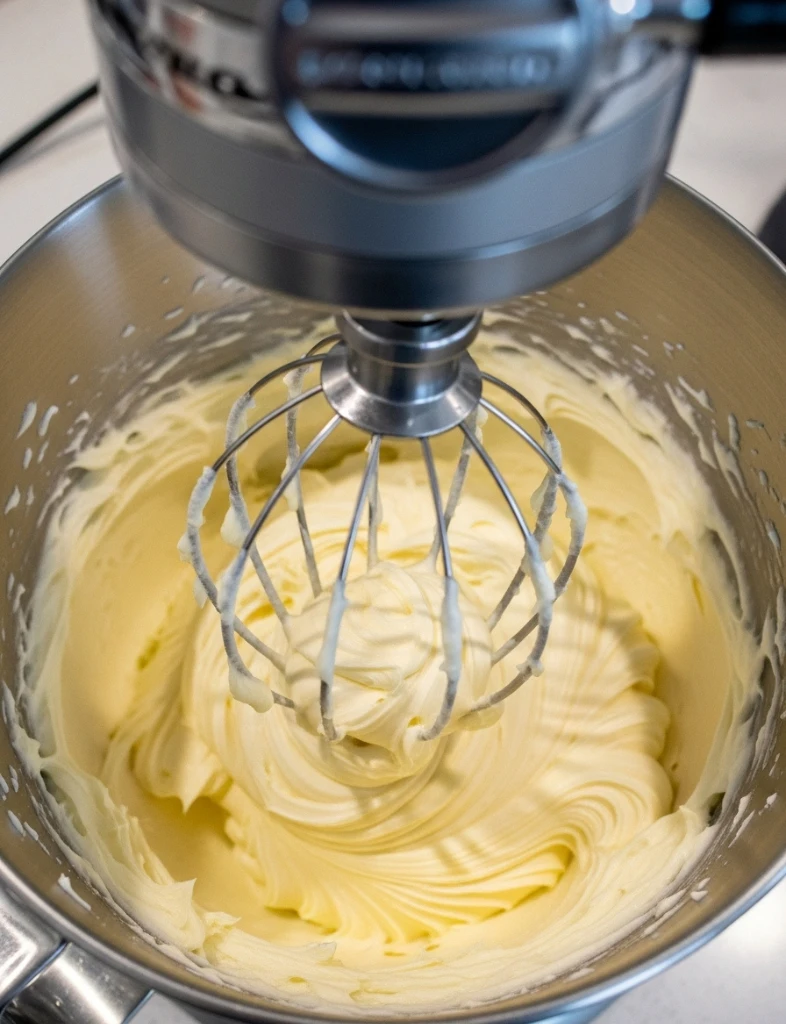
Once the liquid is absorbed, turn the mixer up to medium-high and whip for another 3 to 4 minutes. The mixture should suddenly transform from gritty sand to a smooth, creamy cloud.
Step 5: Check Consistency
Stop the mixer and check the texture. If you lift the paddle, the frosting should hold a soft peak that droops slightly. If it is too stiff to spread, add another tablespoon of cream.
If it is too soft, add another 1/2 cup of sifted powdered sugar. I always keep a cup of sugar nearby just in case my kitchen is a bit warmer than usual.
Serving Suggestions
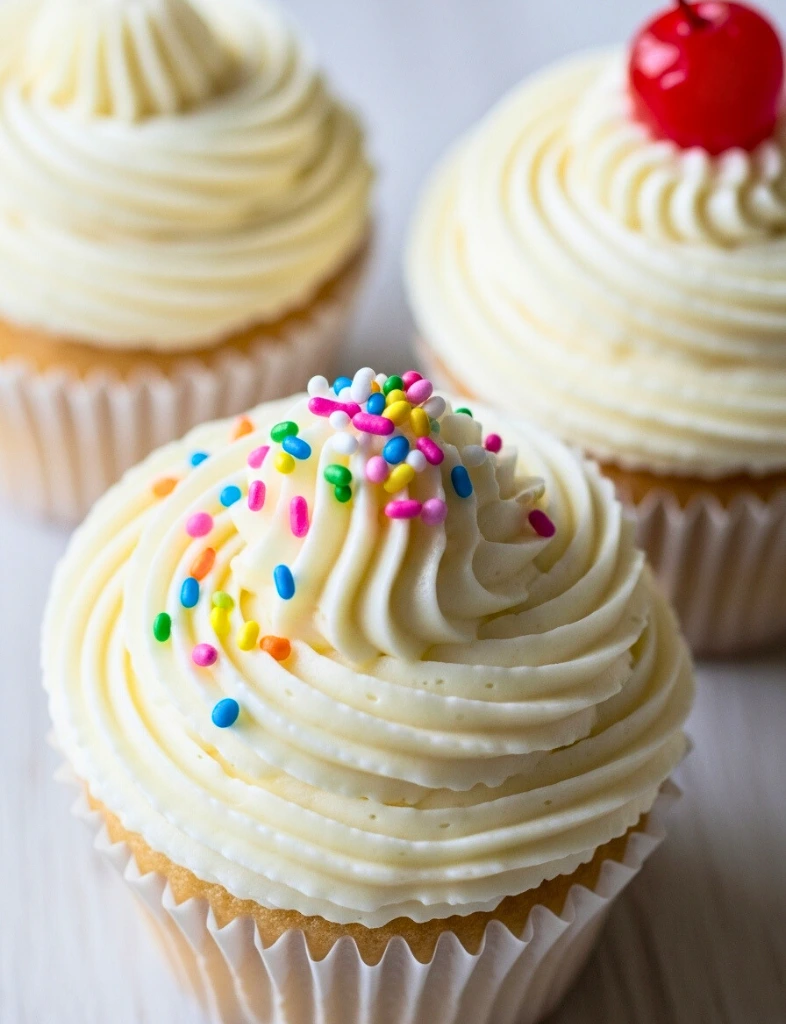
- Classic Cupcakes: Pipe a tall swirl onto vanilla or chocolate cupcakes using a large star tip.
- Layer Cakes: Use an offset spatula to create a smooth finish on a birthday cake or a “naked cake” look where the layers peek through.
- Cookie Sandwiches: Spread a thin layer between two soft chocolate chip or sugar cookies.
- Brownie Topping: Frost a pan of cooled brownies for a decadent dessert bar.
- Fillings: Use it as a filling for donuts or stuffed crepes.
Storage Tips
Because American Buttercream relies on butter, which is shelf-stable, you have a few options for storage.
- Room Temperature: You can leave frosted cakes or bowls of frosting at room temperature (in a cool spot, out of direct sunlight) for up to 2 days. The high sugar content acts as a preservative.
- Refrigerator: If your kitchen is warm or you need to store it longer, place it in an airtight container in the fridge for up to 1 week.
- Freezer: This frosting freezes exceptionally well. Store it in a freezer-safe bag or container for up to 3 months. To use, thaw it in the fridge overnight, then let it come to room temperature and re-whip it for a few minutes to bring back the fluffiness.
Variations
Once you have mastered the base, the fun really begins. Here are a few of my favorite ways to switch things up:
- Chocolate Buttercream: Add 1/2 cup of unsweetened cocoa powder sifted in with the powdered sugar. You may need an extra tablespoon of cream to balance the dryness of the cocoa.
- Strawberry Frosting: Reduce the cream to 1 tablespoon and add 3 tablespoons of freeze-dried strawberry powder (ground into dust) or 1/4 cup of high-quality strawberry jam.
- Coffee Buttercream: Dissolve 1 tablespoon of instant espresso powder in the heavy cream before adding it to the mixer. This pairs perfectly with chocolate cake.
- Almond or Lemon: Swap the vanilla extract for almond extract or add 1 teaspoon of lemon zest and replace the cream with fresh lemon juice for a bright, citrusy kick.
- Boozy Frosting: Replace part of the cream with a tablespoon of Bailey’s, Kahlua, or Spiced Rum for an adult treat.
Conclusion
Mastering American Buttercream is about more than just following a recipe; it is about understanding how a few simple ingredients can come together to create something joyful. It is the frosting most of us grew up with, and there is a good reason for that—it is reliable, sweet, and comforting.
I remember the first time I successfully piped a rose with this frosting. I felt like a professional pastry chef, even though I was just standing in my tiny apartment kitchen in an apron covered in flour. That is the beauty of this recipe—it empowers you to create beautiful things without needing specialized equipment or years of training. So, grab your mixer, soften that butter, and enjoy the process. Happy baking!
FAQs
How can I fix runny or stiff frosting?
If your frosting is too runny, try chilling the bowl in the fridge for 15-20 minutes, then re-whipping.
If it is still too soft, add sifted powdered sugar, one tablespoon at a time, until it holds its shape. If your frosting is too stiff or hard to spread, add heavy cream (or milk) one teaspoon at a time while mixing on low speed until you reach a smooth, spreadable consistency.
How should I store leftover frosting?
You can store American Buttercream in an airtight container in the refrigerator for up to one week. For longer storage, it freezes beautifully for up to three months.
Just remember to bring it back to room temperature and give it a quick whip with your mixer before using it again to restore that fluffy texture.
Is it possible to substitute powdered sugar?
Powdered sugar is essential because it contains cornstarch, which helps stabilize the frosting and gives it structure.
If you are in a bind, you can make your own by blending granulated sugar in a high-powered blender with a bit of cornstarch until it is a fine powder. However, using standard granulated sugar will result in a gritty, crunchy frosting that won’t hold air well.
Why does my frosting feel gritty or taste like butter?
If your frosting feels gritty, it usually means the sugar hasn’t fully dissolved. Try beating it on medium-high speed for another 3-5 minutes.
If it tastes too much like plain butter or feels greasy, you likely over-softened the butter or didn’t add enough sugar. Chilling the frosting for a bit can sometimes help the emulsion set, but usually, you just need to ensure you are using enough powdered sugar to balance the fat ratio.
Can I make this dairy-free?
Yes! You can substitute the butter with a high-quality vegan butter block (stick form) and the heavy cream with a non-dairy milk or cream alternative.
Just be sure that the vegan butter you choose is suitable for baking, as margarine-style tubs often contain too much water and will make the frosting separate.
About The Author