Lately, I’ve been spending more time experimenting with all sorts of recipes, but I keep coming back to making pasta from scratch. It’s so rewarding and way simpler than it seems once you try it.
If you’re a beginner looking to wow your friends or just want to level up everyday dinners, nothing beats the fresh, tender bite of homemade pasta compared to the boxed stuff.
In this post, we’ll cover all the basics, from ingredients to cooking and storing. Let’s get started and flour up those hands!

What Sets This Recipe Apart?
While plenty of pasta recipes promise simplicity, this one zeroes in on troubleshooting the real hurdles beginners face, like crumbly dough or uneven rolling, based on years of trial and error in my kitchen.
It features a higher-hydration dough (around 60%) for easier hand-kneading without a mixer, reducing frustration for those without gadgets.
Plus, it emphasizes creative, no-waste add-ins using pantry scraps (think herb stems or veggie peels for flavor), turning potential flops into fun experiments.
Ingredients and Substitutes
To make about 4 servings of homemade pasta, you’ll need simple staples:
- 2 cups all-purpose flour (about 250g). This is the base for a sturdy yet tender dough. Substitute with 00 flour for an ultra-smooth Italian-style pasta, or mix in half whole wheat flour for added fiber and a heartier flavor.
- 3 large eggs. They add richness and help bind the dough. For an egg-free version, use ¾ cup water or plant-based milk mixed with 1 tablespoon olive oil—it’s great for vegan pasta and keeps things moist.
- A pinch (about ½ teaspoon)of salt for the dough, plus more for boiling water. Kosher salt works best, but table salt is fine in a pinch.
- For flavored pasta, blend in ½ cup pureed spinach or beetroot for green or pink hues, or a tablespoon of dried herbs like basil or oregano for an herby kick.
If you’re gluten-free, swap the flour for a 1:1 gluten-free blend, though the dough might need extra kneading to hold together. I always keep a bag of flour in my pantry, it’s versatile for everything from pasta to quick breads.
One time, I was out of eggs and improvised with mashed avocado for binding. It turned the pasta a subtle green and added a creamy texture that paired perfectly with a light pesto sauce.

How To Make Pasta: Step-by-Step Recipe
This process takes about 45 minutes active time, plus resting.
- Clear a large counter or table and lightly dust it with flour. This prevents sticking and makes cleanup easier.
- Mix the dry ingredients: In a large bowl or directly on your surface, mound the flour and create a well in the center. Add the pinch of salt to the flour.
- Add the wet ingredients: Crack the eggs into the well (or pour in your egg substitute). Using a fork, gently beat the eggs, gradually incorporating the surrounding flour until a shaggy dough forms.
- Knead the dough: Turn the mixture onto your floured surface and knead for 8-10 minutes. It should become smooth and elastic—not sticky. If it’s too dry, add a teaspoon of water; if too wet, sprinkle more flour. This step builds gluten for that perfect chew.
- Rest the dough: Wrap it in plastic wrap or a damp cloth and let it sit at room temperature for 30 minutes. This relaxes the gluten, making rolling easier.
- Roll out the dough: Divide the dough into 4 portions. Using a rolling pin (or pasta machine if you have one), roll each piece to about 1/16-inch thickness. Keep unused portions covered to prevent drying.
- Cut the pasta: For fettuccine or tagliatelle, dust the sheet with flour, roll it up loosely like a jelly roll, and slice into ¼-inch strips. Unravel and let dry slightly on a floured towel. For shapes like farfalle, cut squares and pinch the centers.
- Dry briefly: Let the cut pasta air-dry for 15-30 minutes. This helps it hold shape during cooking.
That’s it! You’ve got fresh pasta ready to boil or store. The first time I tried this, I over-kneaded and ended up with tough strands—lesson learned: patience pays off.
My Best Homemade Pasta Tips:
- Always taste your dough for seasoning, a bland base leads to boring pasta. It’s a simple step that makes a big difference.
- If you’re using a pasta machine, start on the widest setting and gradually thin it out to avoid tearing. This prevents frustration and wasted dough.
- For variety, infuse flavors early: I once stirred in finely ground black pepper and Parmesan for cacio e pepe-ready dough—genius for quick dinners.
- If hand-rolling, use a wine bottle in a pinch.
- Humidity matters! on damp days, add extra flour to prevent stickiness.
- Don’t skip resting!
- Experiment with shapes: ravioli for stuffing with cheese or veggies, or orecchiette for scooping up chunky sauces.

How To Cook Fresh Pasta?
Cooking fresh pasta is quick and forgiving.
- Bring a large pot of salted water to a boil—salt it generously, like the sea, for flavor.
- Add the pasta and stir gently to prevent clumping. Fresh pasta cooks in 2-4 minutes, depending on thickness. Test a strand: it should be al dente, with a slight bite.
- Drain immediately, reserving a cup of pasta water for sauces, it’ has starch for emulsifying. Toss with your favorite sauce right away; fresh pasta absorbs flavors beautifully.
How To Store & Freeze Homemade Pasta?
Fresh pasta doesn’t last long, but storing it right extends its life.
For short-term: Dust strands with flour, nest them into loose bundles, and refrigerate in an airtight container for up to 2 days.
For freezing: Lay cut pasta on a floured baking sheet in a single layer, freeze for 1 hour, then transfer to freezer bags. It keeps for up to 3 months—no need to thaw before cooking; just add an extra minute to boil time.
Dried pasta (if you let it air-dry fully for 24 hours) stores in a cool, dry pantry for weeks. I freeze batches after busy weekends; pulling out homemade fettuccine on a weekday feels like a treat without the work.
How Long To Cook Homemade Pasta?
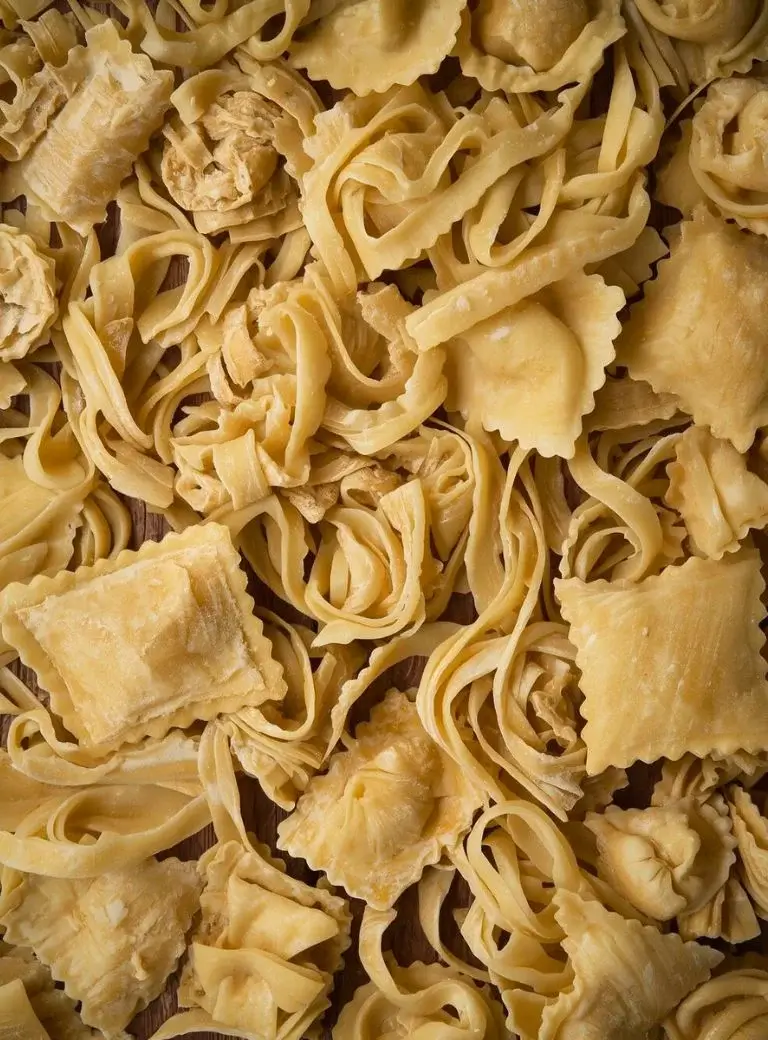
Timing is key for perfect texture. Thin strands like spaghetti take 2-3 minutes; wider ones like pappardelle need 3-4. Stuffed pasta, such as ravioli, boils in 4-5 minutes and floats to the top when done.
Always start checking a minute early to avoid overcooking. Factors like altitude (add time at higher elevations) or dough thickness play in. For dried homemade pasta, double the time: 4-8 minutes.
In my experience, err on the side of underdone; it continues cooking in the sauce.
Conclusion
Homemade pasta transforms a simple meal into something special, and with this guide, you’re equipped to make it happen.
From mixing dough to twirling forks, it’s a hands-on way to connect with your food.
Give it a try this weekend—you might just start a new tradition.
About The Author