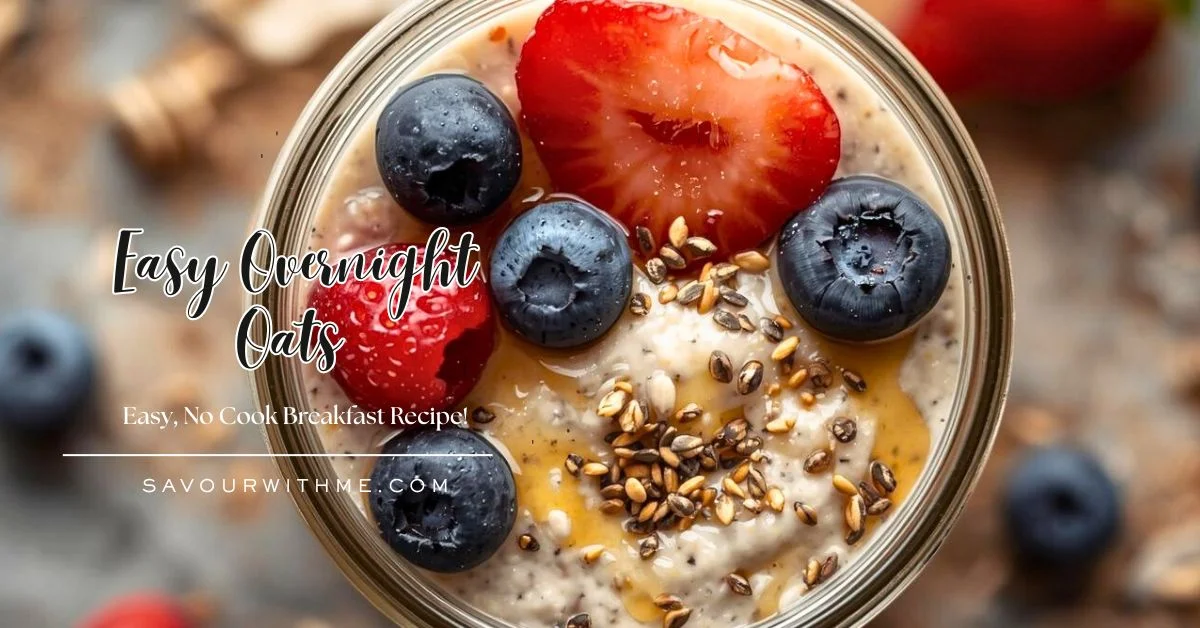
If you’re seeking a simple breakfast option that delivers satisfaction with minimal work, overnight oats fit the bill nicely.
I first tried this recipe during a demanding period when preparing food early felt impossible, and it has remained a favorite since then.
Basically, combine rolled oats with milk (or a non-dairy substitute), include a bit of sweetener and extras such as chia seeds if desired, and refrigerate overnight.
Come morning, enjoy a smooth, uncooked meal ready for personalization with fruits, nuts, or seasonings, I think it is ideal for those needing a nutritious, substantial start without delay.
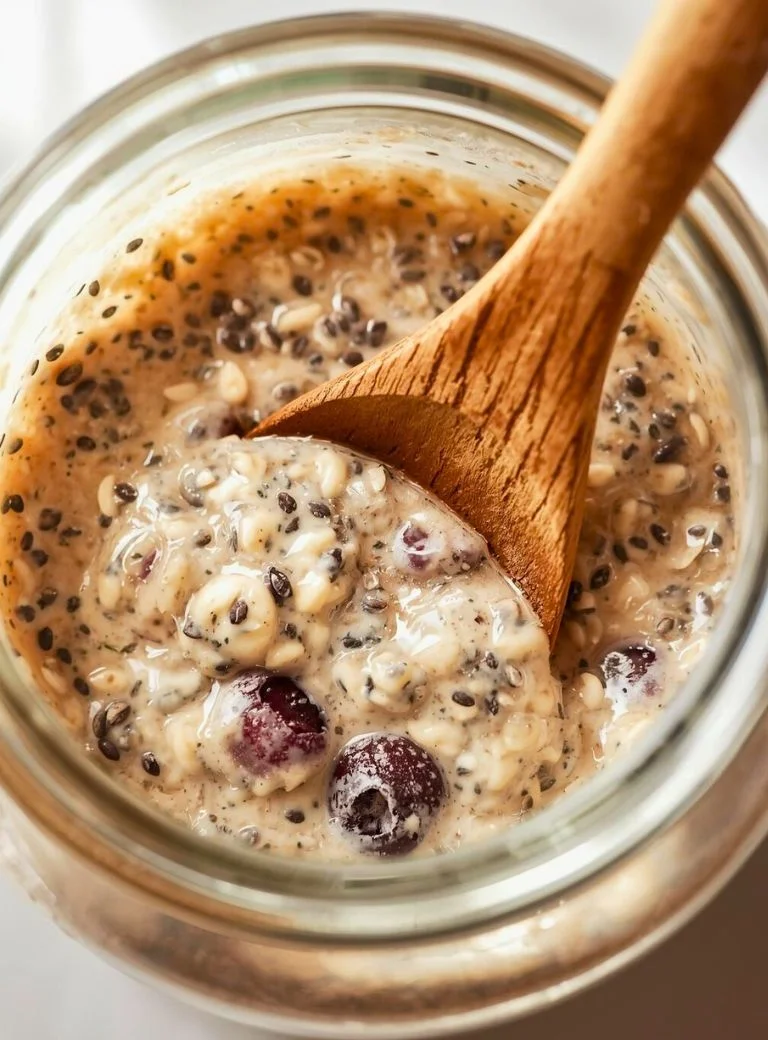
Ingredients for Overnight Oats:
To make a basic batch of overnight oats that serves one person, you’ll need:
- ½ cup old-fashioned rolled oats (avoid quick oats for better texture)
- ½ cup milk of your choice (dairy, almond, oat, or soy, whatever suits your taste or dietary needs)
- 1 tablespoon chia seeds
- A pinch of salt (to enhance flavors without making it salty)
- Sweetener to taste: 1 teaspoon honey, maple syrup, or a dash of vanilla extract
These are the core elements, but the beauty of overnight oats lies in customization. I’ll dive into add-ins later, but start here for a foolproof base.
Nutritional Facts:
| Nutrient | Amount per Serving |
|---|---|
| Calories | 290 |
| Total Fat | 9g |
| Total Carbohydrates | 43g |
| Dietary Fiber | 9g |
| Sugars | 10g |
| Protein | 11g |
The Best Overnight Oats Ratio
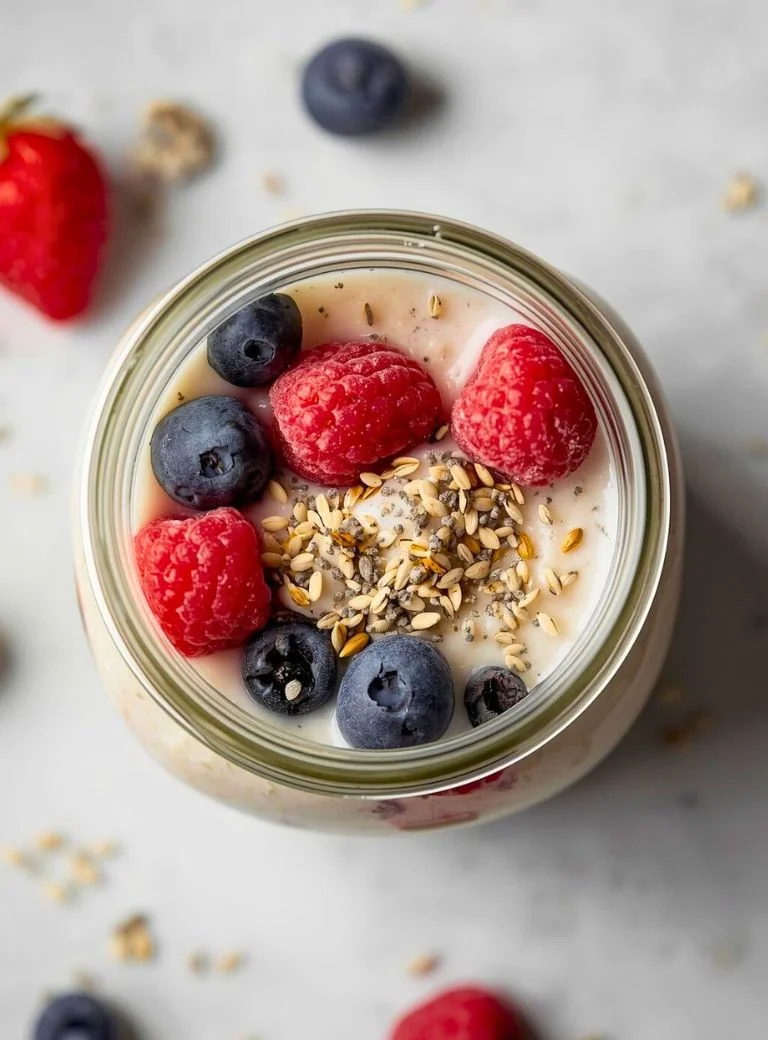
After years of tweaking, I’ve settled on a 1:1 ratio of oats to liquid as the sweet spot.
hat means equal parts rolled oats and milk (or a milk alternative), which yields a creamy, pudding-like consistency by morning. If you prefer yours thicker, dial back the liquid to ¾ cup per ½ cup oats; for a looser texture, bump it up to 1¼ cups.
This ratio keeps things versatile, allowing room for yogurt or fruit juices if you’re feeling experimental. It’s simple math that delivers reliable results every time.
How to Make Overnight Oats:
Here’s how to make overnight oats do in three easy steps.
Step 1: Gather and Mix Your Base
Start by choosing a clean mason jar or any sealable container, something around 8-12 ounces works best to leave room for expansion.
Measure out your oats, pour in the milk, and add the chia seeds if using.
Sprinkle in that pinch of salt and your chosen sweetener. Give it a good stir with a spoon until everything is combined.
Don’t skip the stir; it ensures the oats absorb the liquid evenly. If you’re prepping for the week, I like to make multiple jars at once, it’s a small time investment that pays off in convenience.
Step 2: Customize with Flavors
Sorry but simple overnight oats are a bit boring to me.
Layer in your add-ins right after mixing the base.
For example, if I’m craving something fruity, I’ll mash in half a banana or toss in fresh berries.
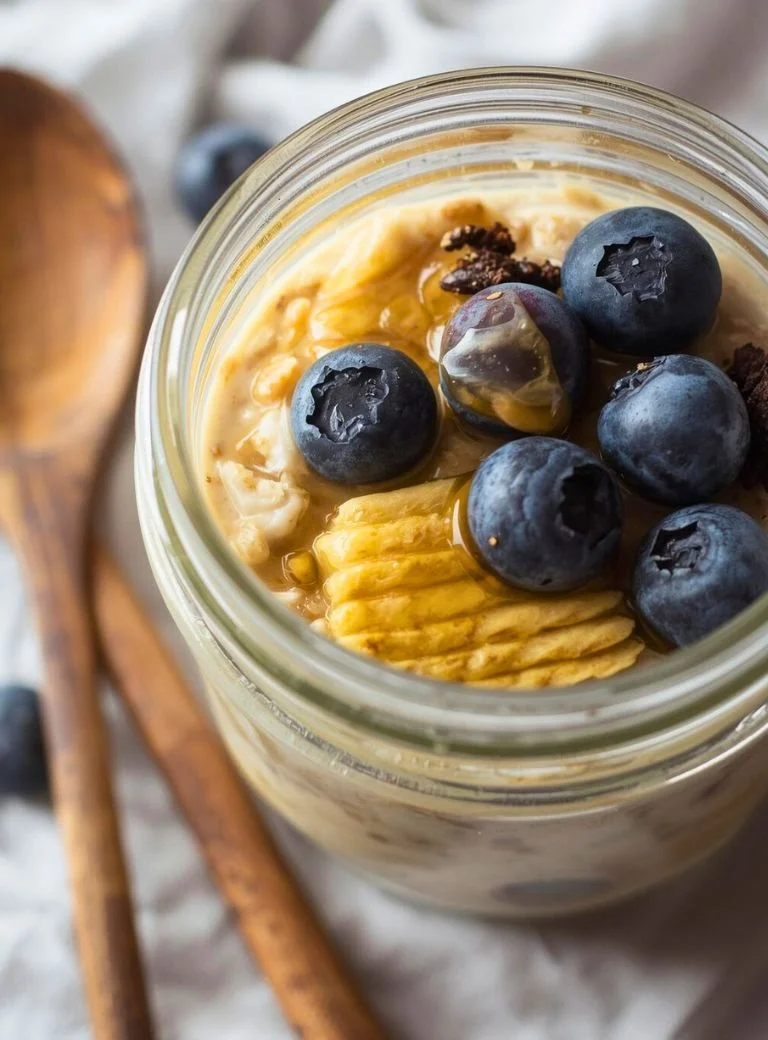
Nut butters like almond or peanut add richness; a spoonful can transform the jar into a dessert-like treat. I’ve had mornings where I experimented with cocoa powder for a chocolate version, and it felt like cheating on healthy eating.
Seal the jar tightly and shake it gently to distribute the flavors. Pop it in the fridge for at least 4 hours, but overnight is ideal. The longer it sits, the better the oats soften and meld.
Step 3: Serve and Enjoy
In the morning, grab your jar from the fridge. Give it another quick stir to loosen things up, then decide on toppings.
I often add a handful of nuts for crunch or a drizzle of extra honey if it’s not sweet enough. Eat it cold straight from the jar for on-the-go ease, or if you prefer warmth, microwave it briefly.
Portion control is built-in with the jar method, which helps if you’re watching calories. Clean-up is minimal, just rinse the jar. Over time, I’ve found this routine not only saves time but also encourages healthier choices, like when I swapped sugary cereals for this after a particularly indulgent holiday season.
Overnight Oats 7 Popular Add-ins & Toppings
Here are 7 ways you can level up your overnight oats:
- Fresh berries (strawberries, blueberries, raspberries) for tartness; sliced bananas or apples for natural sweetness; or tropical twists like mango chunks or pineapple.
- Chopped almonds, walnuts, or pecans for crunch; pumpkin seeds or flaxseeds for extra nutrition; a sprinkle of hemp hearts adds protein without overpowering flavors.
- Cinnamon or nutmeg for warmth; cocoa powder mixed in for a chocolatey treat; or a dash of ginger for a spicy kick great in fall-inspired batches.
- Peanut butter with jelly add-ins; almond butter for a milder nutty note; or tahini for a sesame twist that’s unexpectedly delicious.
- A dollop of Greek yogurt for creaminess, coconut flakes for tropical flair.
- Try Goji berries or cacao nibs for antioxidants; matcha powder for an energy boost; or spirulina if you’re into green vibes, though start small to avoid overpowering.
- Though sweet is standard, try avocado mash with herbs for a unique savory version.
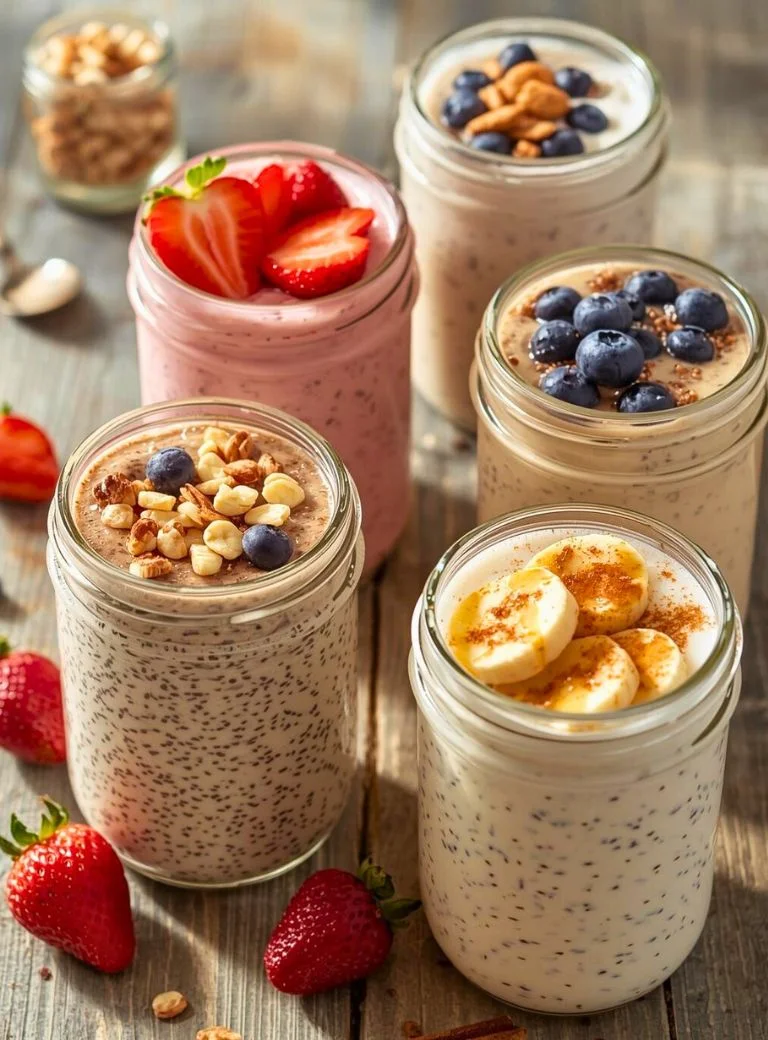
These combinations appeal to different tastes, sweet tooths, health nuts, or even those craving savory. I once made a batch with pumpkin puree and spices during autumn, and it reminded me of pie for breakfast without the guilt.
Overnight Oats FAQs
How do I make my overnight oats creamier?
For extra creaminess, swap half the milk with yogurt.
Greek or plant-based works wonders. I discovered this accidentally when I ran out of milk one night; the result was like a thicker parfait.
You can also blend in a ripe banana before refrigerating, which naturally thickens and sweetens. Stirring in more chia seeds helps too, as they gel up overnight. Just remember to adjust liquids if adding these to avoid dryness.
Can I heat up my overnight oats?
Absolutely, you can warm them up! Pop the jar (lid off) in the microwave for 30-60 seconds, stirring halfway.
Or transfer to a pot on low heat. I do this on chilly mornings when cold oats don’t appeal; it turns them into a cozy porridge without much extra effort. Just don’t overheat, or they might get mushy aim for warm, not hot.
Are overnight oats healthier than cooked?
Both are nutritious, but I think overnight oats retain more nutrients since there’s no heat involved, preserving enzymes and vitamins in raw add-ins like fruits.
Cooked oats are easier to digest for some. In my routine, I alternate; overnight wins for convenience, but cooked feels more comforting on weekends. Nutritionally, it’s a tie, focus on whole ingredients either way.
Can I use yogurt in overnight oats?
Yes, yogurt is a fantastic addition! Use it as part of the liquid ratio replace half or all the milk for a tangier, protein-packed version.
I love stirring in vanilla yogurt for dessert-like oats; it kept me full longer during a hiking trip last summer.
Flavored yogurts add variety, but plain lets you control sweetness. If dairy-free, coconut or almond yogurt substitutes seamlessly.
Why are my overnight oats so thick?
Thickness often comes from too little liquid or too many absorbent add-ins like chia seeds.
Stick to the 1:1 ratio and add more milk if needed before eating.
Old oats can absorb more too, use fresh rolled ones. I’ve fixed gloopy batches by stirring in extra milk post-fridge; it loosens right up. If it’s consistently thick, reduce oats slightly next time for your preferred consistency.
Conclusion
Overnight oats have become a staple in my kitchen, offering a effortless way to start the day with something nourishing and customizable.
Whether you’re a busy parent, a fitness enthusiast, or just someone tired of bland breakfasts, this no-cook method delivers practicality and flavor without the hassle.
I’ve shared batches with skeptical friends who became converts, and incorporating personal favorites, like that pumpkin spice version, keeps it fresh.
Easy Overnight Oats
Ingredients
Equipment
Method
- In your jar, combine the oats, milk, chia seeds (if using), salt, and sweetener.
- Stir well to ensure everything is evenly mixed and the oats are fully coated.
- Seal the jar and refrigerate for at least 4 hours or overnight.
- In the morning, stir again, add any desired toppings like fresh fruit or nuts, and enjoy cold or warmed up.
Notes
About The Author